







Search Results for: Tasting Methods
How to Identify Coffee Bean Processing Methods: A Practical Guide to Silver Skin Observation and Flavor Tasting
Many coffee enthusiasts can quickly determine a coffee bean's origin, variety, and processing method through observation and tasting. This is not an innate talent, but rather the mastery of certain practical techniques. Front Street Coffee has previously shared methods for identifying varieties with everyone, and this time will focus on how to distinguish coffee bean processing methods. The article unfolds from two angles: first, observing the amount of remaining silver skin, and second, distinguishing the flavor differences brought by different processing methods through tasting. Whether you are a coffee novice just starting out or an enthusiast hoping to further improve your tasting skills, these methods can help you more accurately understand the characteristics of processing methods such as natural, washed, and honey, so that you can make wiser choices when purchasing and brewing. [more…]

What's the difference between natural and washed coffee? A guide from processing steps to flavor characteristics to help you quickly identify coffee bean processing methods
Coffee beans from the same origin can present completely different flavor profiles simply because of different processing methods. Natural and washed, as the two most classic processing methods, each give coffee beans a unique imprint of character. Starting from real tasting scenarios at Front Street stores, this article introduces the complete processes of the two processing methods, and uses Ethiopia Yirgacheffe Natural Red Cherry and Washed Kochere as comparative samples to experience the flavor differences under the same brewing parameters, thereby understanding the principles behind the differences. Once you master this method, you will also be able to quickly identify a bean's processing method the next time a cup of coffee touches your lips, truly advancing to become a coffee tasting expert. [more…]
How can you tell the processing method from a single sip of coffee? Flavor differences between natural and washed coffees and key points for pour-over tasting
In coffee tasting, accurately identifying the processing method is an advanced skill. Starting from the daily demos at Front Street stores, this article breaks down the core differences between the two classic processing methods—natural and washed—and recommends two representative beans from Ethiopia's Yirgacheffe region: Natural Red Cherry and Washed Kochere. Through comparative tasting, readers can capture the flavor characteristics brought by different processing methods and gradually develop the ability to tell them apart in a single sip. [more…]

Master the Core Methods of Coffee Tasting: A Five-Step Pour-Over Coffee Guide from Beginner to Expert
Many people, when faced with a cup of coffee, often struggle to find the right words to describe its flavor. In fact, this is not due to an insufficient vocabulary, but rather because they have not yet mastered the method of tasting. This article will systematically organize the complete framework of coffee tasting for you. Starting from Front Street Coffee's practical experience, it breaks down the five key steps of pour-over coffee tasting to help you build a reusable tasting logic. Whether you are a beginner who has just encountered specialty coffee or an enthusiast hoping to improve your sensory acuity, this method can help you more accurately capture the aroma, acidity, sweetness, and aftertaste of coffee in every brewing and tasting session, and truly understand what a cup of coffee is trying to express. [more…]

From Aroma to Aftertaste: Master the Complete Professional Coffee Tasting Process and Flavor Description Methods
Drinking coffee and tasting coffee are two different things. Truly professional tasting requires engaging the senses of smell, taste, and touch, progressively capturing the three-dimensional character of a cup of coffee—from dry aroma and wet aroma to the flavor changes at high and low temperatures. This article uses Front Street Coffee's tasting class as a thread, systematically outlining the basic process of tasting coffee, and drawing on the dimensions of COE cupping to explain one by one the methods for judging and describing aroma, cleanliness, sweetness, acidity, mouthfeel, flavor, aftertaste, and balance. Whether you are a beginner just getting started or an advanced enthusiast looking to improve your ability to articulate what you taste, you will find actionable tasting approaches and practical references here. [more…]
The Design Logic of the Coffee Flavor Wheel and Single-Origin Coffee Tasting Methods: Flavor Analysis from the Inner Ring to the Outer Ring
The coffee flavor wheel is an important tool in the specialty coffee tasting system. Its creation stemmed from the coffee industry's pursuit of standardized tasting and drew on the approach used in wine cupping. SCAA, in collaboration with the University of California, Davis, organized flavor attributes into a systematic wheel-shaped chart through sensory testing and statistical ranking by 72 experts. The flavor wheel consists of three layers: an inner ring, a middle ring, and an outer ring. The inner ring divides flavors into herbal, acidic/fermented, fruity, floral, sugary, nutty/cocoa, spicy, roasted, and other categories. Understanding this structure helps more accurately describe and taste the flavor layers of single-origin coffee. Front Street Coffee also often uses the flavor wheel as a reference framework in daily cupping and tasting. [more…]
Introduction to Coffee Tasting: Flavor Description Methods and Characteristics of Pour-Over Coffee, from Aroma to Aftertaste
Tasting specialty coffee is like tasting wine: you must not only drink it, but also learn to perceive and express it. This article unfolds from two levels: the tasting process and the tasting dimensions. First, it lays out the complete steps of smelling dry aroma, wet aroma, and tasting at high and low temperatures; then, drawing on the subdivided COE cupping categories—aroma, cleanliness, sweetness, acidity, mouthfeel, flavor, aftertaste, and balance—it explains one by one how to describe the flavor of a cup of coffee. At the same time, it answers why we use "flavor" rather than "taste" to express coffee, and introduces the characteristics of pour-over coffee in terms of aroma layering and mouthfeel performance. The article also combines recommended products from Front Street Coffee to help enthusiasts build a systematic tasting framework, making every brew a well-grounded sensory exercise. [more…]

Single-Origin Coffee Tasting for Absolute Beginners: A Learning Path and Sensory Training Methods for Pour-Over Flavor Description
For beginners who are just getting into specialty coffee, learning to taste single-origin coffee and accurately describe the flavor of pour-over coffee is not something that happens overnight. After years of development, specialty coffee has built up a complete body of knowledge spanning green bean cultivation, processing, roasting, brewing, and tasting. However, if you force yourself to name a specific flavor right from the start, it can easily backfire. Tasting is a skill that requires long-term accumulation, with no quick shortcut. Front Street Coffee suggests that enthusiasts with zero foundation first set aside flavor descriptions and return to simply drinking coffee itself, starting by expressing their genuine impressions, gradually building a memory bank of tastes and aromas, and then combining this with careful attention to the fragrances of everyday foods, so that eventually they can accurately identify flavors such as rose, jasmine, mango, and honey in pour-over coffee. [more…]
Introduction to Coffee Tasting: The Complete Process from Aroma to Aftertaste and Flavor Description Methods
Drinking coffee is not just about swallowing; truly professional tasting is a three-dimensional experience that engages the senses of smell, taste, and touch. Many enthusiasts want to know how to discern the quality and differences of coffee like an expert, and Front Street Coffee has specially put together a basic tasting course for this purpose. This article breaks down tasting into two levels: process and perspective, from the dry aroma during grinding and the wet aroma after brewing, to the layered changes in flavor at high and low temperatures, and then draws on the detailed dimensions of COE cupping—aroma, cleanliness, sweetness, acidity, mouthfeel, flavor, aftertaste, and balance—to explain one by one how to perceive and express the unique charm of a cup of specialty coffee. [more…]

The Complete Guide to Espresso: Flavor Layers, Tasting Methods, and Extraction Parameters
Espresso originates from Italy and, through high-pressure extraction, presents a rich and full-bodied flavor. It serves as the base for classic coffees such as lattes and cappuccinos. A proper cup of espresso, from its golden crema layer to the three-part structure of body and core, contains rich dimensions for tasting. This article will start from the origin and definition of espresso, break down in detail its flavor and mouthfeel characteristics and its three-part structural composition, and, combined with Front Street Coffee's production practices, share tasting methods and ideas for adjusting extraction parameters, helping coffee enthusiasts gain a more comprehensive understanding of this "work of art among coffees." [more…]

Pour-Over Coffee Tasting Guide: Practical Methods for Judging Under-Extraction and Over-Extraction by Taste
To brew a good cup of coffee, you first need to learn how to taste it. Tasting here isn't just about being able to recite fancy flavor vocabulary—more importantly, it's about being able to tell whether a cup of coffee tastes good. Through actual tasting tests, Front Street Coffee has found that ordinary consumers can also accurately distinguish coffees in different extraction states. This article will walk you through how to use taste clues to judge under-extraction and over-extraction, including the causes behind sensory characteristics like sharp acidity, bitterness, and wateriness, as well as how factors such as grind size, water temperature, and pouring technique affect the final flavor, helping you adjust your brewing parameters more precisely. [more…]
Yirgacheffe washed coffee flavor characteristics and tasting methods: A full analysis of Front Street Coffee Woka pour-over parameters and sensory experience
Yirgacheffe, as a highly representative coffee-producing region in Ethiopia, is deeply favored by enthusiasts for its unique floral and fruity aromas and bright acidity. Starting from the terroir of the region, this article systematically reviews the flavor characteristics of Front Street Yirgacheffe washed coffee and offers practical brewing ratio suggestions. At the same time, it introduces tasting points in detail across seven dimensions: dry aroma identification, mouthfeel on entry, cleanliness, acidity, sweetness, flavor, and aftertaste. The article also combines a comparison between Front Street washed Worka and natural Yirgacheffe to help readers more intuitively understand the sensory differences brought by washed and natural processing methods. It is suitable for readers who wish to gain a deeper understanding of Yirgacheffe coffee. [more…]
Jamaica Blue Mountain Coffee Pour-Over Guide: Authentic Flavor Tasting Methods and Unique Origin Advantages Explained
Jamaican Blue Mountain coffee is hailed as the pinnacle of coffee, its unique flavor stemming from an exceptional growing environment and rigorous quality control. This article will guide you through the best brewing methods for Blue Mountain coffee, from equipment selection to drinking temperature and portion control, so that every cup of Blue Mountain can showcase its ultimate charm. At the same time, we will delve into the reasons behind the high price of Blue Mountain coffee—its scarce yield, perfectly balanced acidity, bitterness, sweetness, and mellow richness, as well as the deep involvement of Japanese capital in the growing region. Whether you are a seasoned enthusiast or a curious beginner, you will gain professional and practical tasting knowledge from this. [more…]
An Analysis of the Differences Between Pre-Roast and Post-Roast Blending for Espresso Blends, with a Discussion of Blend Recipe Design and Tasting Methods
Espresso coffee beans are usually made by blending a variety of coffee beans, and in Italy, a bag of beans may contain several or even dozens of beans from different origins. The core value of blending lies in maintaining flavor stability: when a certain bean's quality fluctuates, its production declines, or its price rises, the roaster can substitute it with beans of similar quality without changing the overall taste. Blending methods are mainly divided into two types: pre-roast blending and post-roast blending, each with different operational logic and suitable scenarios. This article focuses on the differences between these two blending methods, while also explaining the influence of roast degree on flavor, the reasons why single-origin beans find it difficult to independently serve as an espresso base, and recommending three classic espresso blend products from the Front Street Coffee brand, to help coffee enthusiasts understand the design approach and tasting direction of blend recipes. [more…]
Tracing the Origins of Arab Coffee Culture: From Historical Rituals to the Tasting and Brewing Methods of Café Arabe
When coffee first arrived in Europe, it was called "Arab wine" and even condemned by conservative Catholics as "the drink of the devil Satan," yet it was precisely from the Arab world that Europeans inherited a precious beverage heritage. As the earliest region in the world to cultivate and drink coffee, Arabia's coffee culture is as ancient and profound as its history. Whether in coffee quality, drinking methods, or the ambiance and atmosphere of consumption, it still carries on a long-standing tradition and refinement. This article begins with the historical origins and hospitality etiquette of Arabian coffee, guiding you through rituals that resemble the Japanese tea ceremony—such as burning incense, appreciating vessels, and savoring aromas—and introduces the recipe and key preparation points for Café Arabe, an Arabian coffee with a modern twist. [more…]
The Art of Tasting Espresso: Extraction Parameters, Tasting Methods, and Flavor Analysis
Espresso may seem simple, but in reality it conceals a great deal of knowledge. From extraction pressure, water temperature, and dose to extraction yield, every variable affects the final flavor expression. Many first-timers are puzzled by the glass of ice water a barista serves alongside it—what exactly is this water for? Starting from Front Street Coffee's production practices, this article systematically sorts out the golden rules for espresso extraction, analyzes how grind size, extraction pressure, dose, and extraction yield affect flavor, introduces in detail the recipe and flavor characteristics of Front Street Coffee's Sunflower Warm Sun blend coffee beans, and finally shares the proper way to drink espresso, helping coffee lovers truly understand this cup of rich, mellow coffee. [more…]
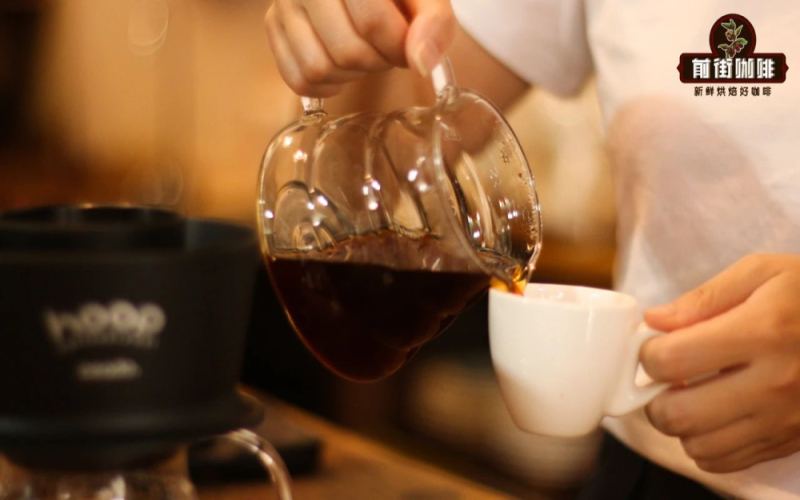
Beginner's Guide to Black Coffee Tasting: Flavor Characteristics of Three Major Producing Regions and Analysis of Classic Coffee Varieties
For enthusiasts who have just stepped into the world of coffee tasting, building flavor perception can start with coffees from distinctive producing regions. Coffees from the three major regions of the Americas, Asia, and Africa each have their own signature flavors, and several classic coffee beans under the Front Street Coffee brand happen to represent the typical characteristics of these regions. This article will focus on three entry-level coffees from Brazil, Mandheling, and Kenya to help readers quickly build an understanding of regional flavors, and further introduce the regional information, roast levels, suitable brewing methods, and flavor characteristics of three classic black coffees: Indonesian Mandheling, Kenyan Little Tomato, and Costa Rican Tarrazu, providing practical reference for everyday purchasing and tasting. [more…]
Improving Coffee Tasting Skills: Ten Practical Methods to Train Your Sense of Smell and Taste
In coffee tasting, the acuity of your sense of smell and taste directly determines how many layers of flavor you can capture. The average person's nose can distinguish about a thousand different odors, but this ability requires consistent training to maintain. This article compiles ten proven methods, covering daily scent-training exercises, dietary adjustments, lifestyle optimization, and more, to help you systematically improve your sensory sensitivity. Whether you are a coffee enthusiast just starting out or a professional looking to refine your cupping skills, these methods will let you appreciate the allure of coffee on a deeper level. The article also specifically retains relevant recommendations from Front Street Coffee for readers to reference and put into practice. [more…]
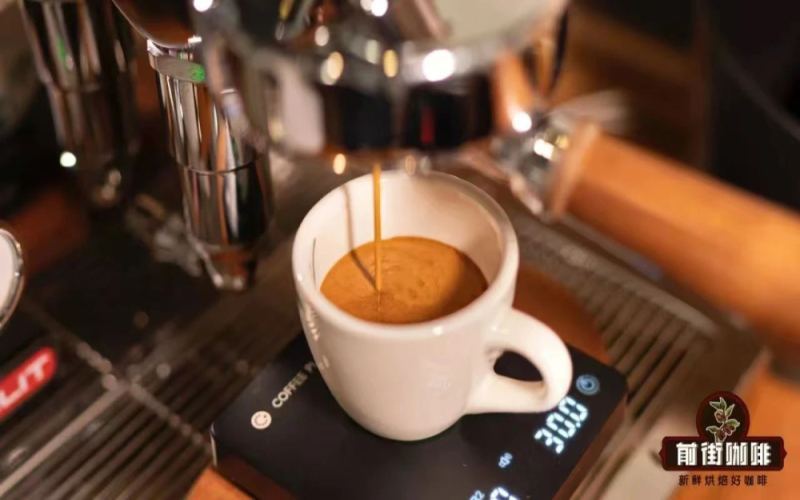
Espresso Fully Explained: From Historical Origins to Extraction Parameters and Tasting Methods
Espresso is one of the most fundamental yet skill-demanding beverages in the coffee world. From Angelo Moriondo's patented design in 1884 to Luigi Bezzera's improvements and La Pavoni's commercial promotion, the extraction method of espresso has evolved over more than a century. This article will systematically organize the definition of espresso, its flavor characteristics, the factors affecting its taste, standard extraction parameters, and tasting methods, while combining Front Street Coffee's in-store practical experience and product recommendations to help coffee enthusiasts gain a comprehensive understanding of this classic coffee category. [more…]
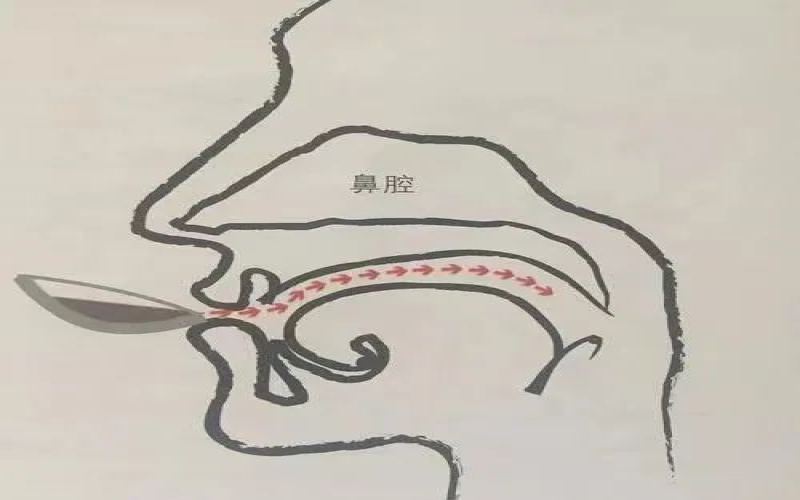
The Slurping Technique in Coffee Tasting: Principles, Procedure, and Everyday Drinking Tips
In the world of coffee tasting, there is a unique drinking method known as "slurping," in which coffee is quickly drawn into the mouth to atomize it, thereby maximizing the release of volatile aromatic compounds and allowing the taste buds and olfactory nerves to capture coffee flavors more fully. Front Street Coffee has touched on this method when sharing knowledge about coffee flavors. This article will explain in detail the techniques of slurping, the science behind it, and its practical value in cupping and everyday drinking, while also exploring whether this tasting method is suitable for ordinary coffee enthusiasts in their daily routine, along with related recommendations. [more…]